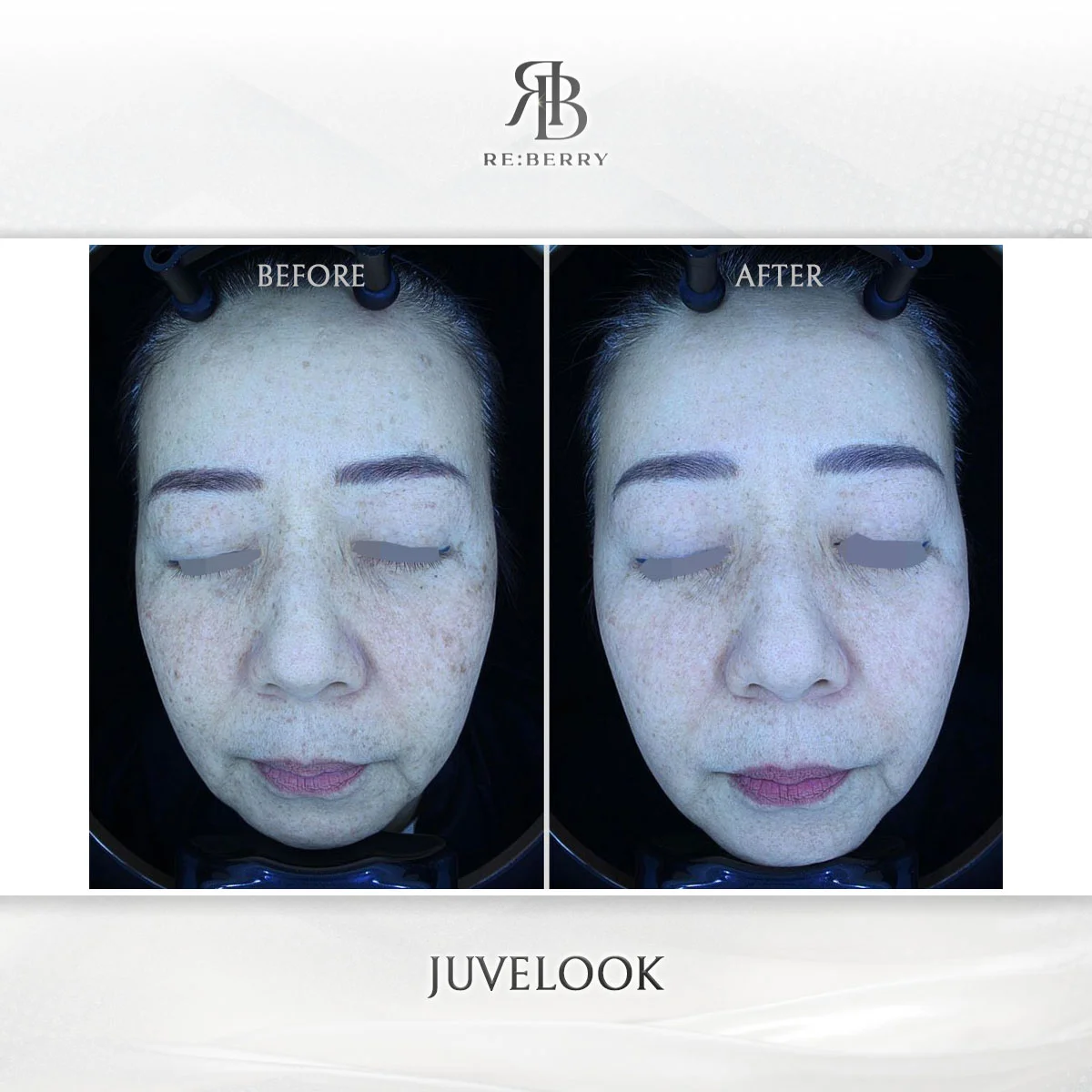
Understanding Laser Treatment Safety Profiles
Laser treatment safety depends on the specific device, energy settings, and practitioner expertise. Medical-grade lasers used in Korean aesthetic clinics operate within tightly controlled parameters established through clinical trials involving thousands of patients. PicoSure delivers energy in 750-picosecond pulses at 532nm or 755nm wavelengths, while Genesis operates at 1064nm with microsecond pulse durations. Each wavelength targets different chromophores in the skin, and proper wavelength selection is the first layer of safety in any laser protocol.
FDA and KFDA Clearance Status
PicoSure received FDA 510(k) clearance in 2012 for pigmentation and tattoo removal, with expanded indications for skin revitalization in 2014. The Korean MFDS (formerly KFDA) maintains separate device approval databases, and practitioners must use devices with valid Korean medical device registration. Genesis laser systems hold FDA clearance for non-ablative skin resurfacing. Pico Fraxel technology received clearance for fractional treatment of acne scars and wrinkles. These regulatory clearances require manufacturers to demonstrate both efficacy and acceptable safety margins through controlled studies.
Common Side Effects and Their Duration
Temporary redness affects 80-95% of patients immediately after laser treatment, resolving within 24-72 hours depending on the laser type and energy level used. Mild edema occurs in 40-60% of cases, particularly with fractional lasers like Pico Fraxel, and subsides within 1-3 days. Pinpoint bleeding may occur during aggressive fractional treatments but stops within minutes. These responses are normal inflammatory reactions indicating that the laser has effectively reached its target depth of 0.5-4.5mm in the dermis.
Post-Inflammatory Hyperpigmentation Risk
Post-inflammatory hyperpigmentation (PIH) represents the most significant concern for patients with Fitzpatrick skin types IV-VI. Research by Trivedi et al. documented PIH rates of 2-8% in darker skin tones treated with picosecond lasers, compared to 10-15% with older nanosecond Q-switched devices. Trivedi MK et al. Lasers Surg Med. 2017;49(1):7-19. doi:10.1002/lsm.22613. Risk mitigation includes starting at 30-40% lower energy settings and extending treatment intervals to 4-6 weeks for melanin-rich skin types.
Contraindications and Pre-Treatment Screening
Absolute contraindications for laser treatment include active skin infections in the treatment area, use of isotretinoin within the previous 6 months, and pregnancy. Relative contraindications include a history of keloid scarring, active autoimmune conditions affecting the skin, and photosensitizing medications including doxycycline and certain NSAIDs. A thorough medical history screening identifies 95% of risk factors before treatment begins.
Patients with a history of herpes simplex virus in the treatment area require prophylactic antiviral medication starting 2 days before treatment to prevent reactivation. Those taking blood-thinning medications should consult their prescribing physician about temporary discontinuation 5-7 days before fractional laser procedures to minimize bruising risk.
How to Evaluate Clinic Qualifications
Qualified laser treatment providers maintain current medical licenses, device-specific certification from manufacturers, and documented continuing education in laser physics. In Korea, aesthetic medicine specialists complete specialized training beyond their medical degree. The treating physician should perform a test patch on a small area 2-4 weeks before full treatment, particularly for patients with darker skin tones or those receiving a new laser type for the first time.
Managing Side Effects and Recovery
Post-treatment care directly influences both safety outcomes and results. Apply SPF 50+ broad-spectrum sunscreen every 2 hours during daylight for a minimum of 2 weeks after each session. Avoid active skincare ingredients including retinol, AHAs, and vitamin C for 72 hours post-treatment. Cool compresses applied for 10-15 minutes every 4 hours during the first 24 hours reduce swelling by approximately 30-40%. RE:BERRY clinics near Incheon Airport provide post-treatment care kits with detailed recovery protocols calibrated to each laser type and treatment intensity.